
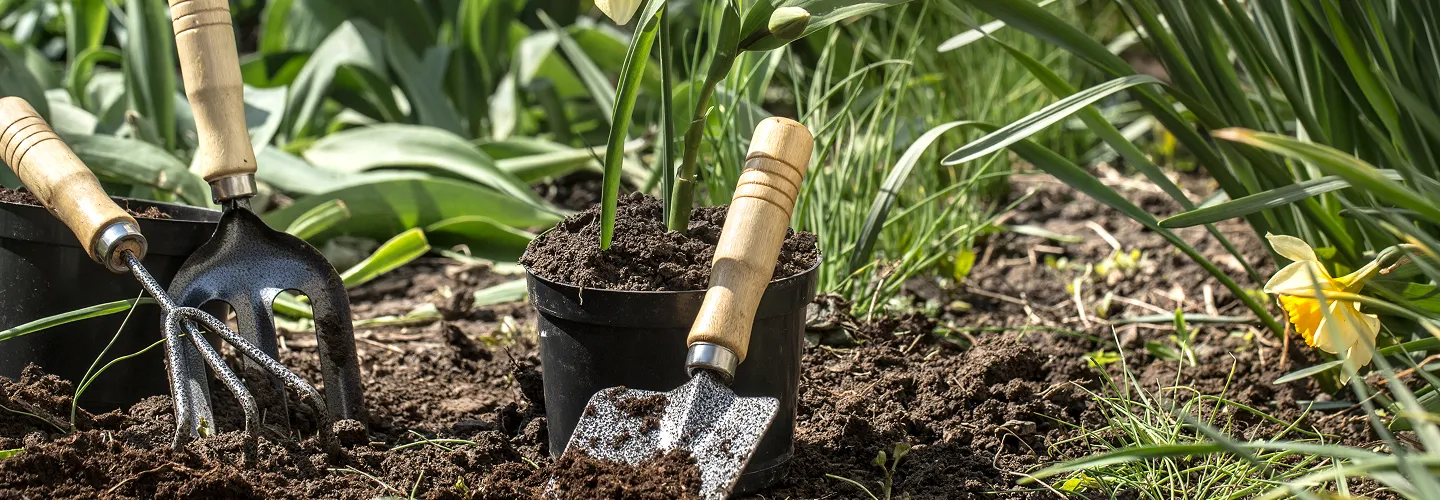
Trumbull Green Waste Disposal Services
Choose our Green Waste Disposal for reliable, environmentally responsible service that keeps your property clean while supporting a healthier planet.
Get a Free QuoteOur Trumbull Landscaping & Yard Care Services
When to Schedule Green Waste Disposal in Trumbull, Connecticut – Seasonal Guide
In Trumbull, Connecticut, the best times to schedule green waste disposal are closely tied to our region’s unique climate and landscape. Spring and late fall are optimal, as these periods align with peak yard maintenance activities and the natural cycles of local vegetation. For example, neighborhoods near Twin Brooks Park and the Pequonnock River Trail often see increased green waste after spring’s rapid growth and autumn’s leaf drop. Trumbull’s last frost typically occurs in late April, making early May ideal for post-winter cleanup, while late October to early November is perfect for pre-winter yard preparation.
Local environmental factors such as high summer humidity, occasional drought conditions, and the prevalence of mature shade trees in areas like Nichols and Tashua influence the volume and timing of green waste. Soil types in Trumbull range from well-drained loam to heavier clay, affecting how quickly organic debris decomposes. Additionally, municipal guidelines and seasonal collection schedules—often updated on the town’s official website—should be checked to ensure compliance and efficient disposal.
Local Factors to Consider for Green Waste Disposal in Trumbull
- Tree density and species (e.g., oaks and maples in Tashua)
- Terrain and yard accessibility
- Seasonal precipitation and drought risk
- Shade coverage and undergrowth
- Local frost dates and growing season length
- Municipal collection schedules and restrictions
Benefits of Green Waste Disposal in Trumbull

Eco-Friendly Landscaping Solutions
Efficient Green Waste Removal
Promotes Healthy Lawns and Gardens
Reduces Landfill Waste
Supports Local Sustainability
Convenient Scheduling Options
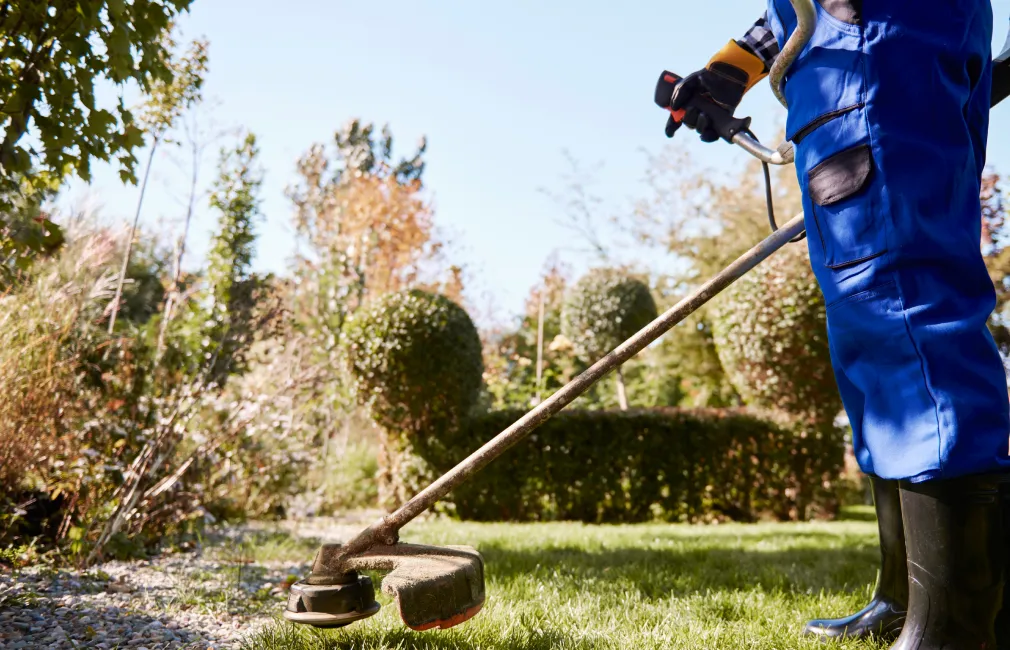
Trumbull Green Waste Disposal Types

Grass Clippings
-
Leaves Collection
-
Tree Branches
-
Shrub Trimmings
-
Garden Debris
-
Mulch Recycling
-
Compostable Yard Waste
Our Green Waste Disposal Process
Collection of Green Waste
Sorting and Separation
Transport to Disposal Facility
Eco-Friendly Processing
Why Choose Trumbull Landscape Services
-
Trumbull Homeowners Trust Us
-
Expert Lawn Maintenance
-
Reliable Seasonal Cleanups
-
Competitive Pricing
-
Professional Team
-
Satisfaction Guarantee
-
Personalized Service
Trumbull’s Weekly Green Waste Collection: Schedules, Accepted Materials, and Compliance
Green waste disposal in Trumbull is managed through a municipal curbside collection program, with weekly pickups scheduled every Thursday from April through November. Residents must use biodegradable paper bags or rigid containers (32-gallon maximum) for leaves, grass clippings, and brush under 4 feet in length and 4 inches in diameter. Plastic bags and oversized branches are strictly prohibited. To ensure compliance, all materials must be placed curbside by 6:00 AM on collection day. The Department of Public Works enforces these requirements and may issue citations for improper disposal or non-compliant containers. For large volumes or off-schedule disposal, residents may utilize the town’s transfer station during posted hours. Key guidelines include:
- Weekly pickup: Thursday, April–November
- Accepted: Leaves, grass, brush <4 ft/4 in diameter
- Containers: Biodegradable bags or 32-gal bins
- Prohibited: Plastic bags, large branches
Trumbull Department of Public Works
366 Church Hill Road, Trumbull, CT 06611
Phone: (203) 452-5070
Official Website: Trumbull Department of Public Works
Soil and Drainage Considerations for Green Waste in Trumbull’s Glacial Till Landscapes
Trumbull’s predominant soils, including Charlton-Chatfield and Ridgebury series, are characterized by glacial till, moderate to high stone content, and variable drainage. Many residential areas experience poorly drained soils with seasonal water tables at 12–18 inches, increasing the risk of nutrient runoff if green waste is not properly managed. Composting on-site is recommended only on well-drained soils with a pH between 5.5 and 6.5, and compost piles should be sited at least 25 feet from wetlands or watercourses. Soil testing is available through UConn Extension for $15–25 per sample. Best practices include:
- Locate compost piles on level, well-drained ground
- Maintain 25-foot buffer from wetlands/streams
- Avoid placing green waste on impervious surfaces
- Amend acidic soils with lime if pH <6.0
Research local soil series using the USDA Web Soil Survey for site-specific recommendations.
Environmental Compliance: Wetland Buffers and Stormwater Protections in Trumbull
Green waste disposal in Trumbull is subject to strict environmental regulations to protect local wetlands, Pequonnock River, and stormwater systems. The town enforces a 25-foot no-disturbance buffer from all designated wetlands, and the MS4 permit under the Clean Water Act prohibits any yard waste or clippings from entering storm drains. Violations may result in fines or remediation orders. The Connecticut Environmental Protection Act and Connecticut Department of Energy and Environmental Protection (CT DEEP) require:
- No green waste within 25 feet of wetlands
- Prohibition of dumping in storm drains or water bodies
- Immediate cleanup of accidental spills
- Use of erosion controls on sloped sites
Trumbull Conservation Commission
5866 Main Street, Trumbull, CT 06611
Phone: (203) 452-5044
Official Website: Trumbull Conservation Commission
Connecticut Department of Energy and Environmental Protection
79 Elm Street, Hartford, CT 06106
Phone: (860) 424-3000
Official Website: Connecticut Department of Energy and Environmental Protection
Equipment Operation and Safety Standards for Green Waste Handling in Trumbull
All green waste handling in Trumbull must comply with municipal noise ordinances and professional safety standards. Equipment such as chippers, mowers, and blowers may only be operated:
- Monday–Friday: 7:00 AM–7:00 PM
- Saturday: 8:00 AM–6:00 PM
- Sunday and holidays: Prohibited Operators are required to use commercial-grade equipment with functioning mufflers, and noise levels must not exceed 85 decibels at property lines. Personal protective equipment (PPE) is mandatory, including:
- Eye protection: ANSI Z87.1 safety glasses
- Hearing protection: Earmuffs or plugs for 85+ dB
- Footwear: Steel-toed, non-slip boots
- Gloves: Cut-resistant for pruning, chemical-resistant for applications
Trumbull Department of Public Works
366 Church Hill Road, Trumbull, CT 06611
Phone: (203) 452-5070
Official Website: Trumbull Department of Public Works
What Neighborhoods Do We Serve Throughout Trumbull, CT?
- Nichols: Features mature tree canopies and larger lots, resulting in high seasonal leaf volume and frequent brush disposal needs. Soils are moderately well-drained but stony, requiring careful placement of compost piles.
- Long Hill: Contains a mix of historic homes and newer developments, with variable drainage and proximity to Pequonnock River floodplain. Green waste management must account for wetland buffer restrictions.
- Tashua: Characterized by rolling terrain and clay-rich soils, which can impede drainage and increase the risk of runoff. Residents should use erosion controls when stockpiling yard debris.
- Trumbull Center: Higher density housing and smaller lots create challenges for curbside collection and container storage. Strict adherence to container size and placement is essential.
- Hillandale: Located near conservation areas and parks, requiring compliance with 25-foot wetland buffers and heightened attention to prohibited dumping.
- Canoe Brook: Features compacted urban soils and limited access for large equipment, necessitating smaller, frequent green waste pickups and careful scheduling.
- Chestnut Hill: Includes sloped lots and mature landscaping, increasing the need for safe equipment operation and runoff prevention during debris handling.